Popping a pimple may seem like a quick way to clear unwanted blemishes. However, repeatedly squeezing, scratching, or picking at acne can do more harm than good. What appears to be a small surface-level problem may involve deeper skin inflammation and tissue damage.
Beyond temporary redness and swelling, improper pimple-picking can increase the risk of infection, dark spots, and permanent acne scars. Understanding what happens beneath the skin can help you make better decisions about acne care.
1. What Happens When You Pick a Pimple?
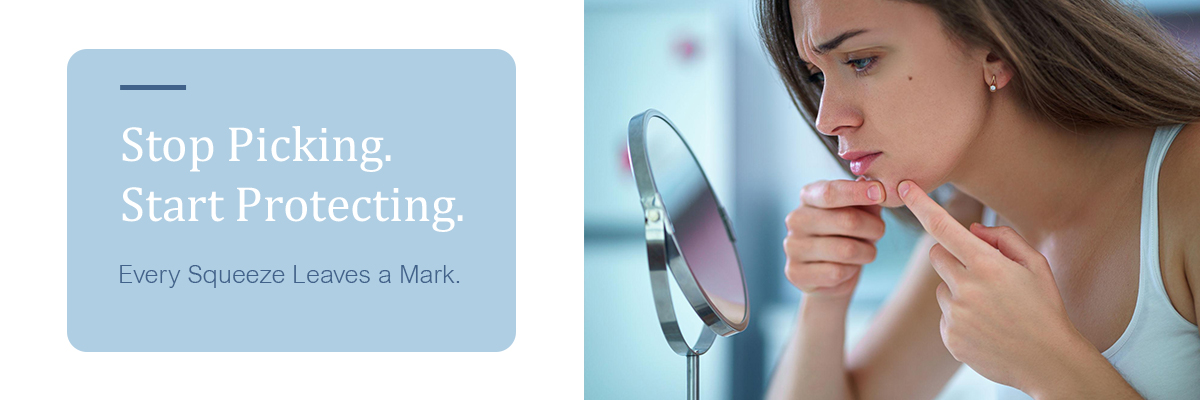
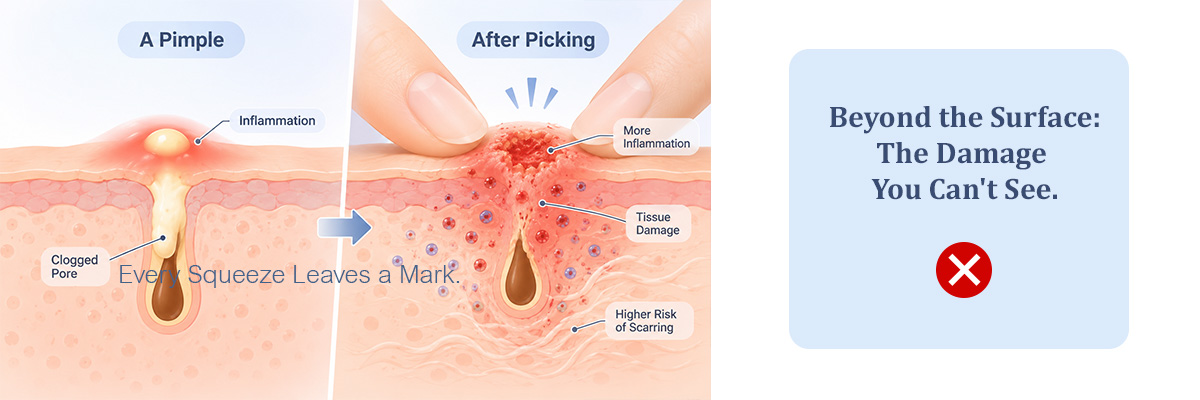
A pimple develops when excess sebum, dead skin cells, and bacteria contribute to clogged pores and inflammation. As the breakout develops, the surrounding skin may become swollen, red, and sensitive.
When you squeeze a pimple, the pressure does not always push its contents outward. In some cases, it can force inflammatory material deeper into the surrounding tissue, increasing irritation and inflammation.
Repeated picking can also break the skin's surface, creating small open wounds. This additional physical damage makes the affected area more vulnerable to bacteria and can interfere with normal healing.
2. How Picking Can Worsen Skin Inflammation
Inflammation is part of the body's natural response to acne. However, repeated mechanical irritation can make it more severe or prolong the healing process.
There are several ways this can happen:
- Increased tissue irritation: Repeated pressure and scratching can damage the surrounding skin.
- Spread of inflammatory material: Squeezing may push the contents of an inflamed blemish deeper into nearby tissue.
- Higher risk of infection: Broken skin and contact with unclean hands can introduce bacteria into the affected area.
As inflammation continues, the pimple may become more swollen, painful, and noticeable rather than healing faster.
3. Why Skin Damage Can Lead to Acne Scarring
One of the most concerning consequences of repeatedly picking pimples is the increased risk of permanent scarring.
When inflammation damages the deeper layers of the skin, particularly the dermis, the body activates a repair process involving collagen production.
Collagen is an essential structural protein that helps maintain skin strength and firmness. During wound healing, the body produces and reorganizes collagen to repair damaged tissue.
However, this process does not always restore the skin's original structure.
Atrophic scars: When too little collagen is produced during healing, depressed or indented scars may form.
Hypertrophic scars: Excessive collagen production can result in raised scars.
Post-inflammatory marks: Inflammation can also trigger changes in skin pigmentation, leaving red, brown, or dark spots after the pimple has healed.
The deeper and more prolonged the inflammation, the greater the potential for lasting skin changes.
4. Dark Marks vs. Permanent Acne Scars
Not every mark left after a breakout is a permanent scar. Understanding the difference is important for choosing the right skincare approach.
Post-Inflammatory Hyperpigmentation (PIH)
PIH appears as flat brown or dark spots after inflammation. It results from increased melanin production in response to skin inflammation. These marks may gradually fade, although the process can take months or longer.
Atrophic Acne Scars
Atrophic scars appear as depressions or uneven areas in the skin. They develop when inflammation damages collagen and the skin does not produce enough new tissue to restore its original structure.
Unlike pigmentation, established depressed scars rarely disappear completely on their own and may require professional dermatological treatment.
5. Better Ways to Care for Active Pimples
Avoiding unnecessary pressure and irritation is one of the simplest ways to reduce additional skin damage.
Consider these practical approaches:
Keep your hands away: Avoid squeezing, scratching, or repeatedly touching active breakouts.
Use appropriate acne treatments: Ingredients such as salicylic acid, benzoyl peroxide, and adapalene can help manage acne when used appropriately.
Protect irritated areas: Hydrocolloid acne patches can cover individual blemishes, help absorb surface fluid from suitable superficial breakouts, and reduce direct touching and picking.
Maintain gentle skincare: Use a mild cleanser, avoid excessive exfoliation, and apply non-comedogenic moisturizer.
Protect your skin from the sun: Daily sunscreen helps reduce the risk of persistent discoloration following inflammation.
For deep, painful, recurring, or severely inflamed acne, consult a dermatologist rather than attempting to drain it yourself.
Conclusion
Picking pimples may provide temporary satisfaction, but it can increase inflammation, damage surrounding tissue, and raise the risk of long-lasting acne scars.
Healthy skin recovery starts with less irritation and appropriate care. Instead of trying to force a pimple out, give your skin the protection and time it needs to heal.