
Every summer, one skincare product seems to suddenly become much more popular — acne patches.
Some people may only use a few patches throughout the year, but once the weather gets warmer, acne patches start appearing everywhere: in makeup bags, bathroom cabinets, and travel kits.
Why do breakouts seem to appear more often in summer?
The answer is not simply “hot weather causes acne.” There is more behind it.
Summer Creates More Challenges for Your Skin
During summer, your skin has to deal with more environmental stress than in other seasons.
Higher temperatures can increase oil production. When sweat, excess sebum, sunscreen, and makeup residue mix together, the skin may become more prone to clogged pores and irritation.
At the same time, summer habits often change:
· More outdoor activities mean more exposure to UV rays;
· Increased sweating changes the skin’s surface environment;
· Travel, lack of sleep, and changes in diet can affect skin balance.
Together, these factors can push the skin out of its usual comfort zone, causing unexpected breakouts, redness, or blemishes.
That is why many people notice:
“My skin was fine in winter, but suddenly I started breaking out in summer.”
This is actually a common seasonal skin reaction.
Acne Patches Are More Than Just a Way to Hide Pimples
For many people, the first reason they try an acne patch is simple:
“I don’t want anyone to notice this pimple.”
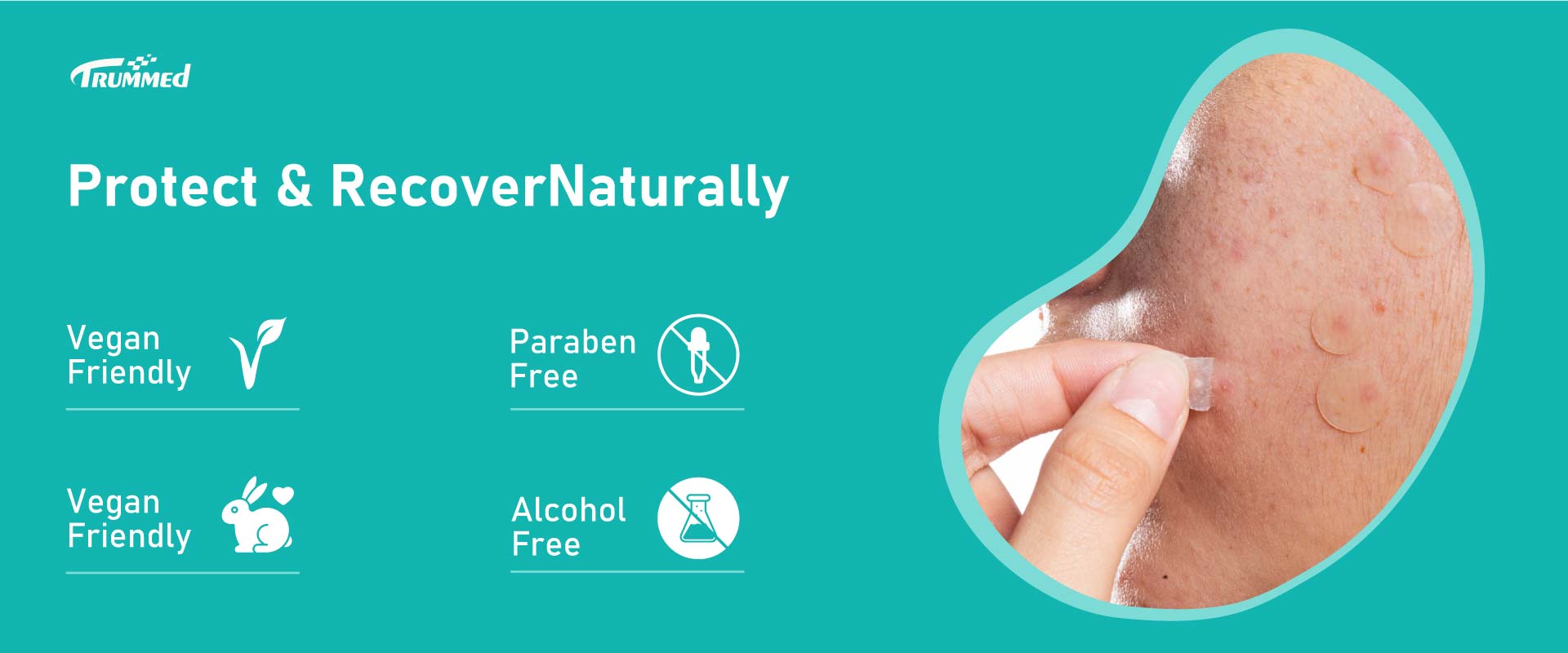
But hydrocolloid acne patches do more than cover blemishes.
After a pimple is picked or opened, the skin surface becomes more exposed to friction, dirt, and environmental irritation.
A hydrocolloid patch creates a protective barrier over the affected area.
The hydrocolloid material can absorb excess fluid from the blemish and help maintain a balanced moist environment, which supports the skin’s natural recovery process.
In simple terms:
An acne patch does not magically make a pimple disappear — it helps create a better environment for the skin while it heals.
Why Do Acne Patches Become More Useful in Summer?
Because summer comes with a hidden problem:
“It is much harder to stop touching your face.”
Sweating, wiping your face, wearing masks, outdoor activities, and accidental rubbing can repeatedly irritate an active blemish.
A small pimple can become more inflamed, more noticeable, and take longer to calm down.
An acne patch acts like a small protective shield.
It helps reduce unnecessary contact and reminds you:
“This area needs time to recover.”
Why Do Acne Patches Become a Travel Essential?
Summer is also peak travel season.
Many people notice that their skin becomes harder to manage while traveling.
Changes in climate, long hours of wearing makeup, sunscreen reapplication, and disrupted sleep can all affect skin condition.
But when traveling, most people do not want to carry an entire skincare routine.
Compared with multiple skincare products, acne patches are lightweight, easy to use, and convenient to replace anytime.
That is why many travel packing lists now include:
“Passport, charger, and acne patches.”
So Why Are Acne Patches Becoming a Summer Essential?
Because sometimes, it’s not about having perfect skin every day — it’s about being ready for the moments when your skin is not.
And maybe that’s the real question:
If breakouts are unpredictable, why wouldn’t you keep something simple that helps you handle them better?