Pimple patches are a common pimple care product, but different skin types may require some special considerations when using pimple patches. This article will introduce how to use pimple patches correctly according to different skin types.
1. For oily skin:
Due to the vigorous sebum secretion, the pimple patch may be easy to fall off. Before using the pimple patch, it is recommended to clean the skin and remove the excess oil. You can choose a pimple patch with oil-absorbing function, or use oil-control products before pasting the pimple patch to increase the adhesion of the pimple patch.
2. For combination skin:
Combination skin has both oily and dry areas at the same time, which makes it difficult to find an acne treatment that works for the entire face. Acne patches can be used in the oily areas of the face to treat acne while keeping the dry areas unchanged. This allows for targeted treatment without causing dryness of the skin.
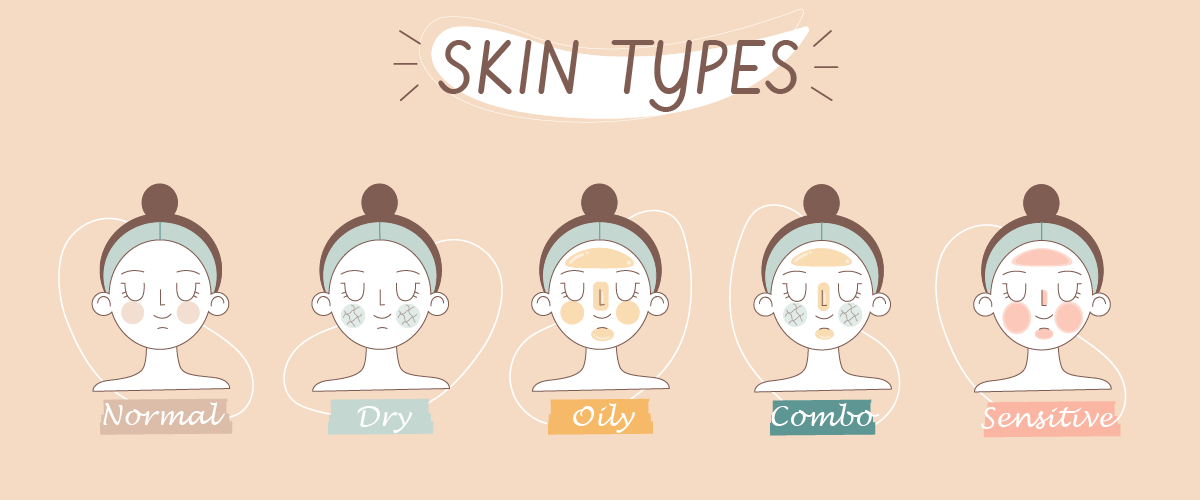
3. For dry skin:
The T zone of the combination skin type is prone to produce oil, while other parts may be relatively dry. When using pimple patches, different care methods can be adopted for the T zone and other areas. The T zone can use oil-absorbing pimple patches, while the dry areas need to enhance moisturization.
4.For sensitive skin:
The material and composition of pimple patches may be more sensitive to the sensitive skin type. When choosing a pimple patch, pay special attention to the mildness and non-irritating nature of the product. It can be tried on a small area of the skin first to observe whether there is an allergic reaction. If there is any discomfort during use, it should be stopped immediately.

Conclusion:
The methods of using pimple patches on different skin types are slightly different. Regardless of what kind of skin type, the key to using pimple patches is to maintain the cleanliness and hygiene of the skin, pay attention to choosing products suitable for your own skin type, and use them correctly. Before and after using the pimple patch, be careful to wash your hands and avoid touching the pimple area. Replace the pimple patch regularly to avoid the growth of bacteria.
At the same time, if the pimple problem is serious or persists, it is recommended to consult a professional dermatologist. I hope the above content can be helpful to you. If you have any other questions about pimple patches, you are welcome to consult at any time.