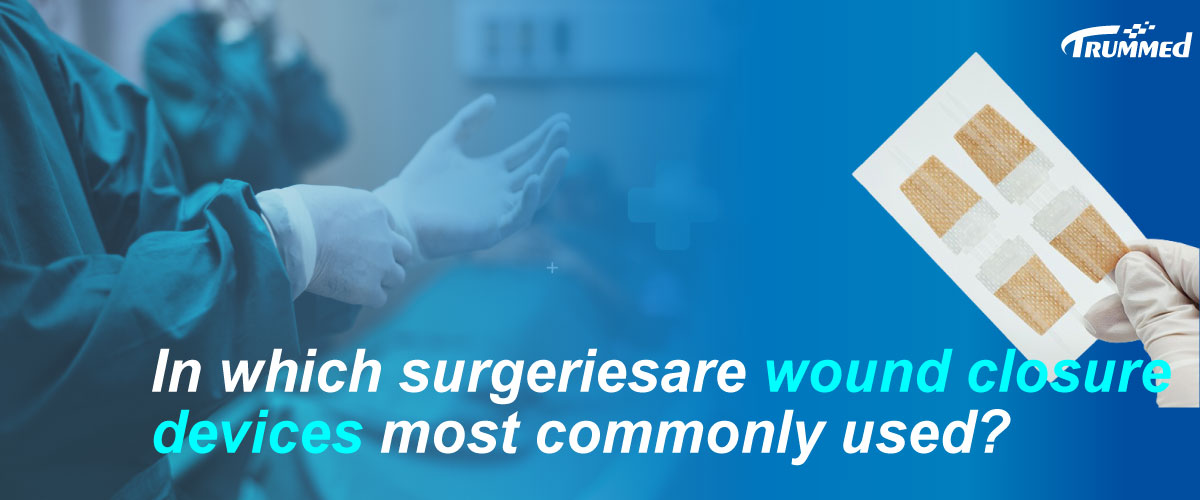
Wound closure devices are widely used in a variety of surgical procedures, particularly in the following categories:
1. General Surgery: Whether it's common abdominal surgeries, thoracic surgeries, or joint replacement surgeries, wound closure devices are routinely used. These surgeries typically require rapid and effective wound healing, and closure devices can reduce postoperative infections, alleviate patient pain, and promote healing.
2. Plastic Surgery:Procedures such as breast reconstruction and facial plastic surgeries have high requirements for wound aesthetics and healing speed. Wound closure devices can help maintain wound morphology and reduce scar formation.
3. Trauma Surgery:Including repair of traumatic fractures, organ damage repair, etc., these surgeries often require urgent wound management, and closure devices can provide rapid and effective closure, reducing infections and other complications.
4. Neurosurgery: Including spinal and brain surgeries, which require delicate manipulation of neural tissues, where closure devices can provide a stable wound closure environment, reducing the risk of postoperative complications.
5. Pediatric Surgery: For pediatric patients, especially newborns and premature infants, closure devices can provide gentle yet effective closure, protecting delicate infant skin and reducing the risk of scar formation and infection.
6. Urological Surgery: Such as prostatectomy, bladder surgery, etc., these surgeries often require a longer recovery period, and closure devices can accelerate healing, alleviate pain, and improve the quality of life for patients.
7. Vascular Surgery:Including aneurysm repair, vascular reconstruction, etc., where there are high demands for vascular integrity and closure speed, closure devices can effectively protect blood vessels and promote healing.
8. Organ Transplant Surgery: Such as liver or kidney transplant, which often requires long-term postoperative care and monitoring, where closure devices can provide a stable closure environment, reducing the risk of infection and rejection.
9. Gynecological Surgery:Such as hysterectomy, pelvic surgery, etc., where delicate operations on reproductive organs are performed, closure devices can reduce postoperative pain and infection, promoting healing.
In summary, wound closure devices have significant application value in various medical fields, providing rapid and effective wound closure, reducing postoperative complications, and promoting patient recovery and rehabilitation. Regardless of your role in the medical field, wound closure devices have become a crucial component of medical practice. They not only make surgeries safer and more efficient but also bring faster recovery and better treatment outcomes for patients. Let's work together to advance medical technology and promote human health.