
When it comes to hair removal, dermatologists don’t usually ask “Which method is painless?”
They ask a different question:
How often are you stressing the skin?
This is why many dermatologists are more comfortable with short-term waxing than with daily shaving—even though shaving feels gentler in the moment.
Daily shaving creates frequent, low-grade skin trauma
Shaving doesn’t just remove hair.
Each pass of a razor also removes part of the skin’s protective surface:
When shaving is done daily or every other day, the skin has little time to recover. Over time, this repeated friction can lead to:
-
persistent redness or sensitivity
-
razor bumps and ingrown hairs
-
chronic irritation around hair follicles
From a dermatological perspective, this is not an acute injury—it’s ongoing micro-trauma.
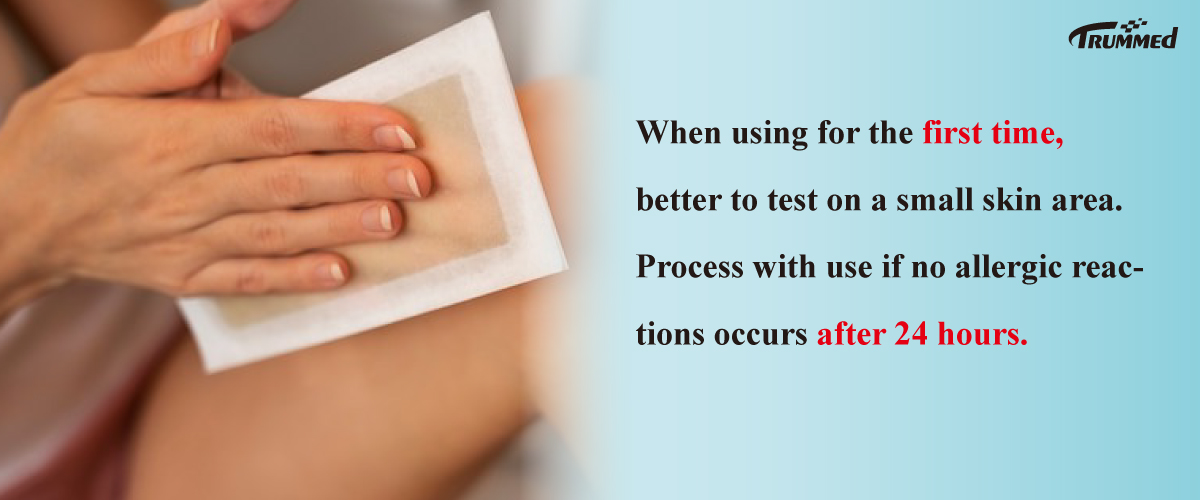
Waxing is less about force, and more about frequency
Waxing does involve a stronger, short-term stimulus.
But the key difference is how rarely it needs to be repeated.
- Hair is removed from the root
- Regrowth is slower and finer
- Most people wax once every 3–4 weeks
This longer interval allows the skin barrier to fully repair between sessions.
For many dermatologists, this trade-off is important:
One controlled stress, followed by recovery, is often better tolerated than constant irritation.

Sensitive areas respond better to fewer interventions
In clinical practice, areas like the underarms, bikini line, and inner thighs are more prone to:
- friction
- moisture buildup
- inflammation
When these areas are shaved repeatedly, irritation tends to accumulate.
Waxing, when done correctly and not too frequently, reduces the number of times the skin is mechanically disturbed.
This is especially relevant for people with:
- sensitive or reactive skin
- a history of folliculitis
- post-inflammatory darkening
Dermatologists focus on skin behavior, not convenience
The dermatological recommendation isn’t “wax is always better than shaving.”
It’s more nuanced:
Shaving is fine when done occasionally and carefully
Waxing can be preferable when it replaces daily or near-daily shaving
What matters most is reducing repetitive stress on the skin.
The takeaway
From a skin health perspective:
Predictable, infrequent irritation is often easier for the skin to recover from than daily minor damage.
That’s why many dermatologists lean toward short-term waxing over daily shaving—not because waxing is gentler, but because it gives the skin time to heal.